
Across global cities like London, New York, Dubai, Singapore, and Berlin, co-living has emerged as a lifestyle-driven housing model that blends comfort, community, and convenience. Nairobi, East Africa’s fastest-growing metropolitan hub, is now witnessing a similar transformation.
With the influx of expatriates, consultants, digital nomads, entrepreneurs, and young professionals, the demand for flexible, high-quality housing solutions is increasing rapidly. This shift has made co-living in Nairobi an increasingly preferred option for modern urban living.
But co-living today is no longer just about shared apartments. It has evolved into premium serviced living, offering fully furnished residences, curated community experiences, seamless services, and lifestyle-focused amenities, particularly in upscale neighborhoods like Westlands.
What Is Co-Living?
Co-living is a contemporary form of housing where residents enjoy private bedrooms or studio apartments, combined with shared common areas, community facilities, and professionally managed services.
Unlike traditional rentals, co-living spaces in Nairobi provide:
- Fully furnished living environments
- Flexible lease terms
- High-speed internet
- Weekly housekeeping
- Utility management
- Security and maintenance
- Community engagement
Imagine landing in Nairobi for a three-month consulting project or a long-term relocation. Instead of navigating unfamiliar rental processes, sourcing furniture, and setting up utilities, you arrive at a fully furnished residence where everything, from WiFi to housekeeping, is already in place. Within days, you’re not just settled in, but living comfortably and focusing on your work and lifestyle. Modern co-living is particularly appealing for professionals who value comfort, flexibility, aesthetics, and social connection, without compromising on privacy.
Why Co-Living Is Booming in Nairobi
Nairobi’s rapid urbanization, coupled with its rise as a regional business and diplomatic hub, is changing how people choose to live.
Several factors are driving the surge in co-living in Nairobi:
1. Growing Expat & Corporate Population
Nairobi hosts international organizations, UN agencies, multinational corporations, NGOs, and regional headquarters. This has created sustained demand for expat housing in Nairobi, especially in central, well-connected neighborhoods.
2. Flexible Work & Consulting Economy
Short-term consulting assignments and remote work have increased the demand for short and medium-term housing solutions that offer flexibility without long-term commitments.
3. Lifestyle-Centric Living
Younger professionals prioritize experience, comfort, design, and community, making co-living a more attractive option than isolated rental apartments.
4. Rising Rental Complexity
Setting up utilities, furnishing apartments, and managing security can be cumbersome for newcomers. Serviced co-living in Nairobi solves these problems instantly.
Who Is Co-Living Ideal For?
Co-living caters to a diverse audience, including:
- Expats relocating to Nairobi
- UN consultants and diplomats
- Corporate professionals on short or medium-term assignments
- Digital nomads and entrepreneurs
- Young working professionals
- Couples and small families seeking serviced living
For these segments, co-living provides flexible living arrangements, premium comfort, and community connection, without the administrative burden of traditional housing.
Benefits of Co-Living vs Traditional Rentals
Choosing co-living spaces in Nairobi over conventional apartments offers several advantages, especially when you consider the real-life experience of arriving in a new city. Instead of spending weeks setting up a home, residents can step into a fully prepared space from day one, allowing them to focus on work, exploration, and settling into their new environment.
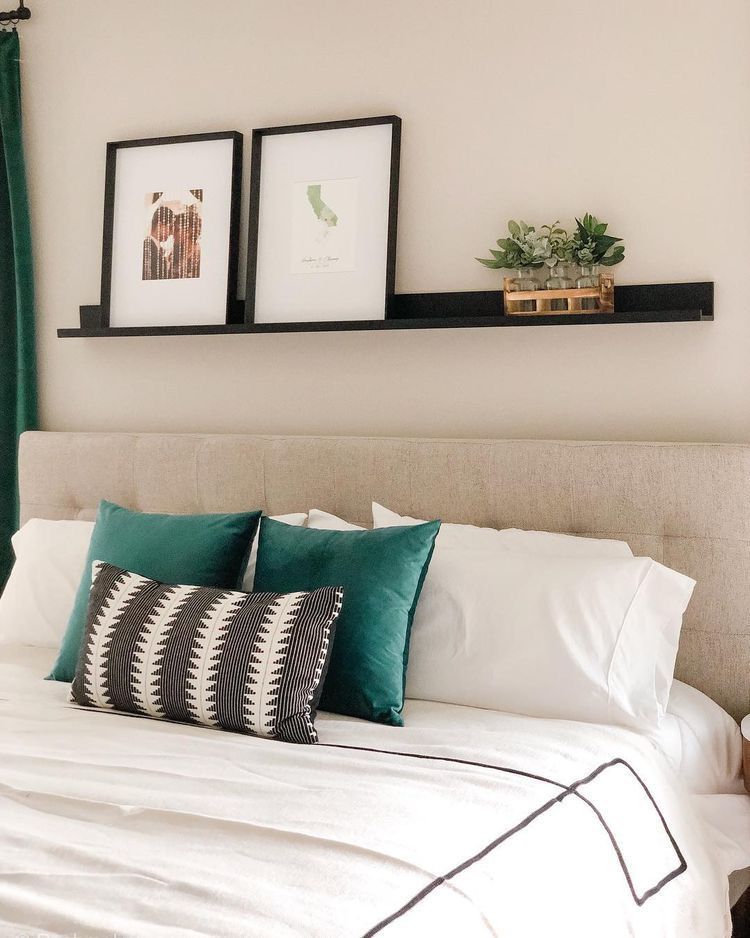
1. Fully Furnished, Move-In Ready Homes
Residents walk into thoughtfully designed spaces equipped with premium furniture, modern kitchens, and hotel-grade bedding.
2. All-Inclusive Living Rent typically includes:
- Utilities
- High-speed WiFi
- Housekeeping
- Maintenance
- Security
This simplifies day-to-day living, particularly for residents new to Nairobi.
3. Flexible Lease Terms
From short-term stays to long-term residences, co-living offers unmatched flexibility.
4. Built-In Community
Curated social spaces encourage organic interactions, networking, and friendships, creating a vibrant community living experience.
5. Premium Safety & Management
Professionally managed properties ensure 24/7 security, cleanliness, and prompt maintenance, key priorities for expats and families.
Why Westlands Is Nairobi’s Co-Living Hotspot
Among all neighborhoods, Westlands has emerged as Nairobi’s premier hub for luxury co-living and serviced apartments.
Its popularity is driven by:
- Proximity to business districts
- High-end shopping malls like Westgate and Sarit Centre
- International restaurants and cafés
- Excellent connectivity
- Safe, upscale residential environment
For expats and professionals, co-living in Westlands provides the perfect balance of work convenience, lifestyle amenities, and peaceful living.
On a typical day, residents can walk to a nearby café for breakfast, access co-working spaces within minutes, attend meetings across the city, and return to a quiet, residential setting in the evening. This balance of accessibility and calm is what makes Westlands particularly attractive for long-stay residents.
As a result, demand for serviced apartments in Westlands and premium co-living residences continues to rise year after year.
What Defines Premium Co-Living?
Not all co-living spaces offer the same experience. Premium co-living focuses on:
- Design-led interiors
- High-quality furnishings
- Spacious layouts
- Boutique hospitality services
- Privacy-first architecture
- Thoughtfully curated community spaces
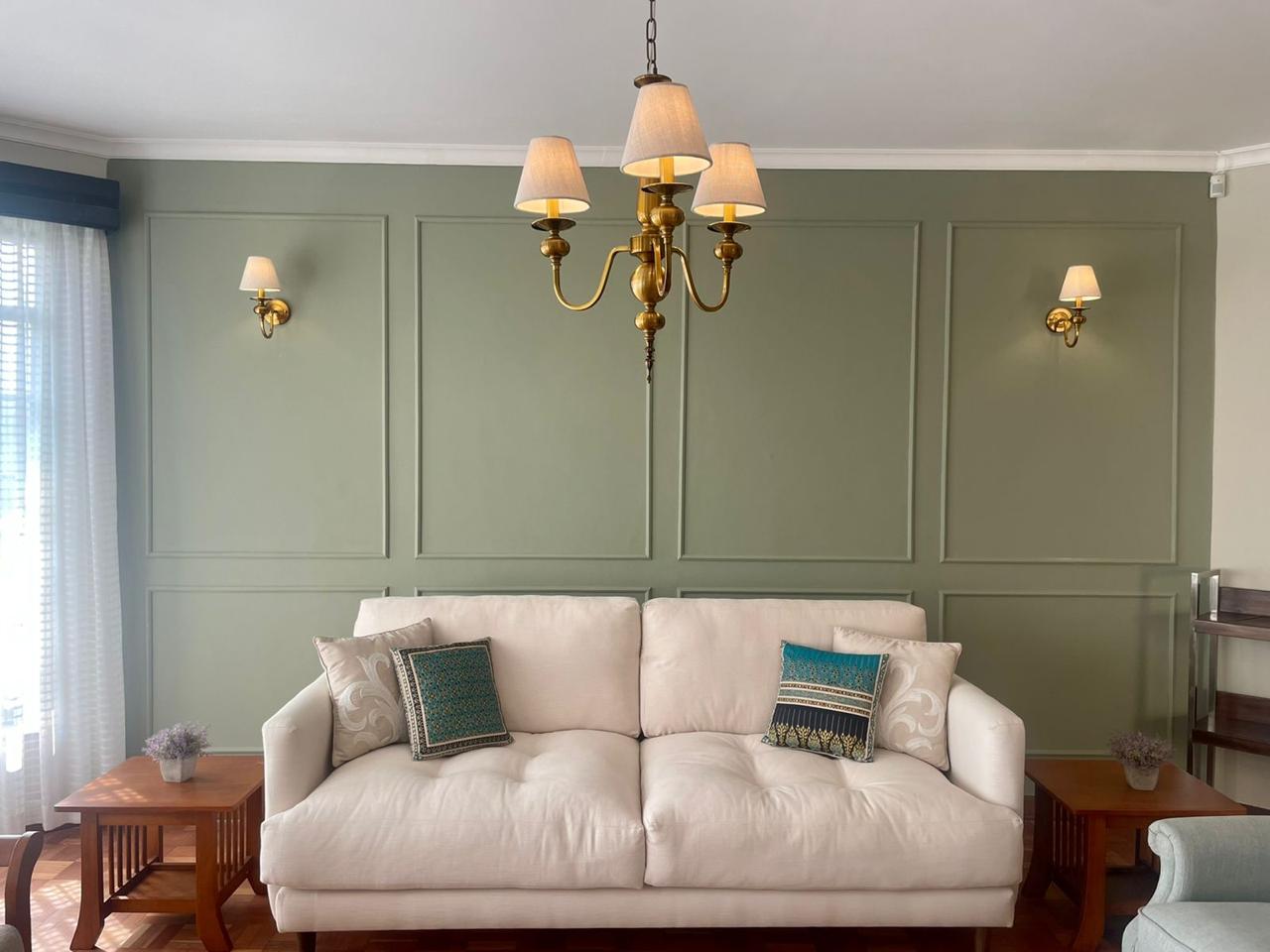
Rather than dorm-style sharing, modern luxury co-living in Nairobi delivers hotel-grade comfort combined with residential warmth.
These residences appeal to residents who seek elegance, tranquility, and lifestyle excellence, without sacrificing flexibility.
A Real-World Benchmark: Premium Co-Living Done Right
Across Westlands, a few boutique co-living residences have redefined the concept by combining architectural excellence, premium design, and hospitality-driven service models.
One such example is Pied à Terre, a boutique serviced co-living residence that reflects how the concept is evolving in Nairobi. Rather than offering just accommodation, it focuses on creating a lived experience, blending thoughtful design, comfort, and a sense of belonging for residents staying weeks or months at a time.
Rather than focusing on scale, such boutique properties emphasize:
- Thematic interior design
- Carefully curated furnishings
- High-end finishes
- Hotel-grade housekeeping
- Peaceful residential ambiance
Premium co-living in apartments that are slightly older and larger than many modern high-density developments often allows for more generous living space for residents.
In many cases, these residences were originally designed as spacious family homes or low-rise apartment buildings, offering larger living rooms, wider hallways, bigger bedrooms, and more comfortable communal areas.
Located close to the vibrant Westlands hub, Pied à Terre offers a low-rise residential environment that prioritizes comfort, safety, and spacious living. The property includes generous lounge areas and well-designed communal spaces, creating a welcoming atmosphere for both families and co-living residents.
For residents, this translates into a noticeably different daily experience. Mornings can begin in a quiet, naturally lit bedroom, followed by coffee in a spacious lounge rather than a confined apartment setting. Evenings can be spent cooking in a fully equipped kitchen or unwinding in a calm, thoughtfully designed shared space.
This emphasis on space, calm, and intentional design is particularly valuable in a fast-paced city like Nairobi, where having a peaceful home environment can significantly improve both productivity and overall well-being.
Cooking is often an important part of everyday life for long-stay residents, which makes spacious and well-equipped kitchens a significant advantage in premium co-living environments.
Combined with professional housekeeping and well-maintained facilities, these features allow residents to enjoy the comforts of home while benefiting from hospitality-level service.
These spaces demonstrate how serviced co-living in Nairobi can successfully merge luxury, comfort, and community.
Key Features to Look for When Choosing a Co-Living Space
Before selecting a co-living residence, consider the following essentials:
1. Location
2. Privacy
3. Furnishing Quality
4. Service Quality
5. Community Environment
6. Security
Thoughtfully curated co-living communities often consider lifestyle compatibility to create a balanced and harmonious living environment.
The Role of Design in Modern Co-Living
Design has become a defining factor in modern community living spaces.
Residents today seek:
- Aesthetic environments
- Natural lighting
- Ergonomic furniture
- Thoughtful color palettes
- Artistic interiors
Design-led co-living spaces significantly enhance mental well-being, productivity, and comfort.
The Future of Co-Living in Nairobi
As Nairobi continues to grow as a regional hub, co-living is expanding rapidly across the city.
For residents, this means greater access to flexible, high-quality living options that prioritize comfort, design, and convenience, without the rigidity of traditional renting.
Final Thoughts
The shift toward co-living reflects a broader transformation in how people perceive housing, not just as a place to stay, but as a complete living experience.
For families relocating to Nairobi, particularly those with young children, the transition can sometimes be challenging. Many modern high-rise developments offer limited outdoor space or communal areas.
Low-rise residences and thoughtfully designed co-living environments often provide more accessible shared spaces, gardens, and lounges that make daily life more comfortable.
As boutique residences like Pied à Terre demonstrate, co-living in Nairobi is no longer just a practical solution, it is becoming a preferred way to live for those who value flexibility, design, and a higher standard of everyday comfort.
For many residents, the decision ultimately comes down to simplicity: choosing a space where everything is already taken care of, allowing them to focus on their work, lifestyle, and experience of the city.